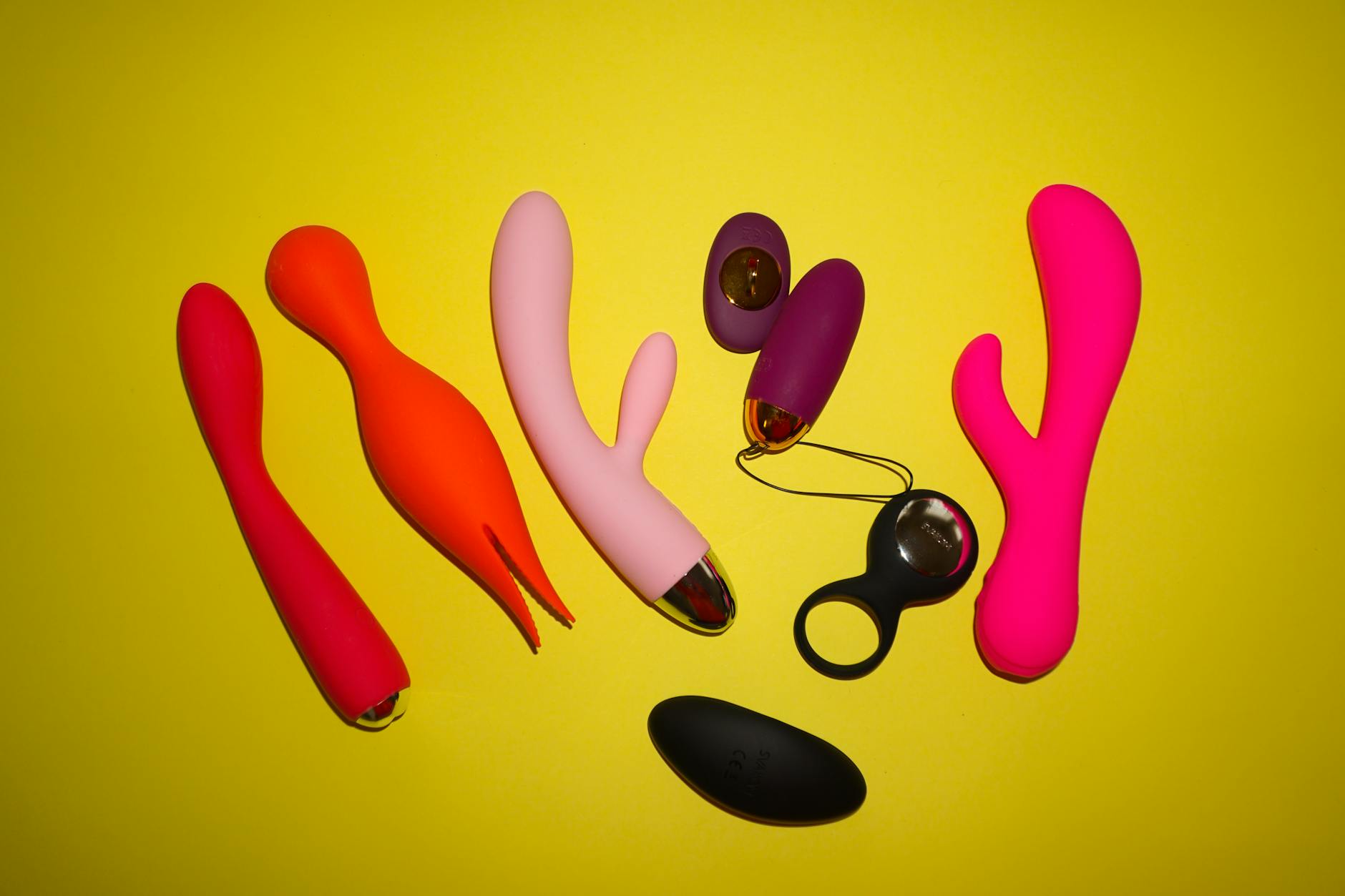
Let's talk about the numbness problem nobody mentions
You're using your lemon vibrator, sensation is building, everything feels incredible, and then suddenly it's like someone turned down the volume on your nerves. The vibrator is still buzzing. You're still there. But the feeling has flattened out. This isn't a device issue. It's actually your nervous system doing exactly what it's supposed to do.
This is called sensory adaptation, and it happens to everyone who uses lemon vibrators regularly. The problem isn't that your body is broken. The problem is that constant input makes your nerve endings stop paying attention. It's the same reason you stop noticing the weight of your clothes after a few minutes, or why a persistent background noise fades into nothing. Your nervous system is wired to detect change, not constancy.
But here's the good news: understanding why this happens is the first step to preventing it entirely.
Why sustained vibration actually numbs you
When you apply continuous vibration to the clitoris, a few things happen in quick succession. First, the nerve fibers that detect that specific frequency become desensitized. They've received the same signal repeatedly, so they require increasingly stronger input to fire. Second, if you're holding the same pressure and pattern for too long, blood flow actually constricts slightly under sustained pressure, which reduces the oxygen to nerve endings. Both of these work against deeper sensation, not toward it.
The irony is that people often respond to early numbness by increasing the power or intensity of their lemon clitoral vibrator. That works briefly, but it accelerates the adaptation cycle, which means you hit a numbness wall even faster the next time.
So the counterintuitive truth: if you want deeper, longer-lasting sensation, you need to create variation, not intensity.
The pattern-switching strategy
The single most effective tool you have is the pattern button on lemon vibrators. Most devices like The Lem offer 8-10 different vibration patterns, and most people use exactly one: the one that felt good the first time.
Try this instead. Start on a lower intensity pattern and stay there for 2-3 minutes. Your body is warming up, lubrication is building, and nerve endings are priming. Then switch patterns. Not to something wildly different, but to the next option in line. Spend another 2-3 minutes there. Then switch again.
What you're doing is constantly reintroducing novelty. Each pattern fires nerve endings in slightly different sequences, so your nervous system never settles into adaptation. Most people who switch patterns report that their sessions last 50-75% longer before they hit that numbness ceiling, and the sensations stay sharper throughout.
The rhythm matters too. Rhythmic patterns (ones that pulse or build) tend to feel fresher longer than flat sustained vibration. If your lem vibrator has a rhythmic option, make that your anchor pattern, and use the others as variation.
Pacing: the breaks that sharpen sensation
Another counterintuitive move: stop touching for 20-30 seconds. Not because something's wrong, but because you're resetting your sensory baseline.
When you take a brief pause and come back, nerve endings that were beginning to adapt suddenly wake up. The resumption of vibration feels noticeably sharper and fresher. This is why marathon sessions often feel less intense than shorter, more focused ones. Your nervous system needs micro-breaks to maintain peak responsiveness.
In practical terms: use your lemon clitoral vibrator for 3-4 minutes, then pause. Do something else for 20-30 seconds (breathe, check in with your partner, adjust position). Then come back. You'll likely find that second cycle feels as good or better than the first, even though you're using the same device at the same intensity.
People who pace their sessions deliberately report dramatically different outcomes than those who just go until they plateau. It's not about lasting longer (though that's often a side effect). It's about maintaining the quality of sensation throughout.
Pressure variation prevents the numb zone
Most people use their lemon vibrator at a consistent pressure against the clitoris. But constant pressure contributes to numbness because blood flow stays constricted in the same way.
Try varying the pressure: firm contact for 2 minutes, then lighter pressure for 1 minute, then back to firm. Or move the device in small circles around the area rather than holding it in one spot. This changes which nerve endings are being fired and allows others to recover briefly.
The beauty of suction-based vibrators like The Lem is that you can modulate sensation through suction intensity independent of vibration pattern. So you could stay on the same vibration setting but reduce suction slightly, then increase it again. That's three variables of input without ever turning the device off.
None of these changes make the device feel weaker. They actually make sensation feel sharper because you're preventing the sensory adaptation that typically happens around the 4-5 minute mark.
Lubrication affects how quickly numbness happens
This is a weird one but clinically real: reduced lubrication speeds up sensory adaptation. When tissue is well-lubricated, vibration transmits more smoothly and friction decreases. Friction generates heat and local tissue irritation, which can be mistaken for sensation loss but is actually the nervous system protecting itself from damage.
Keeking water-based lubricant fresh throughout your session makes a measurable difference. Not because of friction per se, but because good lubrication means vibration travels through tissue more efficiently, with less localized pressure concentration. Efficiency of transmission means less intensity needed to maintain the same sensation level, which paradoxically means less sensory adaptation.
If you find yourself reaching for more power as your session goes on, check your lubrication first. A tiny bit more lube often does more than turning up the intensity.
The temperature factor (and why it matters)
When tissue gets slightly fatigued from sustained vibration, local blood flow decreases and area temperature drops subtly. This is another trigger for sensory adaptation. Interestingly, brief pauses allow blood flow and temperature to normalize, which is part of why the break strategy works so well.
But you can also think about warmth more actively. If you're in a cold room or your hands are cold, start by warming up the area first. Let blood flow build naturally before introducing vibration. This means nerve endings are already primed and responsive, which delays adaptation considerably.
This is also why extending foreplay before introducing your lemon vibrator extends the entire session. Arousal has already brought blood to the area and warmed tissue. Nerve endings are active. Vibration is introduced to an already-responsive system rather than a neutral one.
When sensation stays flat no matter what you try
If you're doing all of this and sensation is still staying muted, the issue might be downstream of the vibrator itself. Certain medications (particularly SSRIs), hormonal shifts, stress, and even dehydration can genuinely reduce nerve responsiveness. That's not adaptation. That's something else entirely.
In those cases, the solution isn't a technique shift. It's usually addressing the underlying issue. If you're on medication that affects sensation, a conversation with your doctor matters. If you're going through hormonal shifts, you might benefit from reading about how lemon vibrators help during perimenopausal sensation changes. If stress is high, the body simply can't allocate resources to pleasure the way it does when you're calm.
But if sensation is starting sharp and flattening over 5-10 minutes, you're dealing with sensory adaptation, and the strategies above will almost certainly help.
The session structure that works
Here's a template that most people find effective: warm-up (2-3 minutes, pattern 1, moderate intensity), first variation (2-3 minutes, pattern 2 or 3, same intensity), brief pause (20-30 seconds), second variation (3-4 minutes, rhythmic pattern, slightly increased intensity), second pause, final phase (3-5 minutes, mixing patterns as needed).
That's roughly 15-20 minutes of engaged time with your lemon clitoral vibrator, and sensation quality stays consistent throughout because you're constantly introducing novelty at the right intervals.
The specific patterns don't matter as much as the principle: vary input before adaptation locks in, reset nerve endings with brief pauses, and adjust pressure and lubrication to optimize transmission. Once you nail this, numbness becomes rare enough that it's not really a factor in your experience.
People also ask
Is numbness from vibrators permanent?
No. Sensory adaptation is temporary. After 20-30 minutes without stimulation, nerve endings return to baseline responsiveness. This is why taking a break for an hour or even a day restores sensation completely. The numbness you feel during a session isn't nerve damage. It's your nervous system's normal response to sustained input.
Why does one pattern feel numb faster than another?
Different patterns fire nerve endings in different sequences and frequencies. Your nervous system habituates to specific patterns faster than others. Rhythmic or variable patterns (ones that pulse or build rather than stay flat) tend to stay fresh longer because they're inherently introducing novelty within a single pattern. Sustained flat patterns hit adaptation walls much faster.
Can I use a stronger vibrator to avoid numbness?
Counterproductive. Higher intensity actually accelerates sensory adaptation because it taxes nerve endings more intensely. You might feel a temporary surge of sensation, but you'll hit the numbness wall faster. The solution is variation and pacing, not more power.
Does this happen with all lemon vibrators or just some?
It happens with all sustained vibration. The device doesn't matter much. What matters is how you're using it. Two people using identical lem vibrators will have vastly different adaptation timelines based on whether they're switching patterns, taking pauses, and varying pressure. Technique is the main variable, not the device.
Should I let my clitoris "rest" between sessions?
Not in the sense of avoiding pleasure. But taking at least a few hours between sessions does reset sensory baseline and makes the next session feel fresher. If you're using lemon vibrators daily, spacing things out to every other day or a few times a week often improves sensation quality. But this is more about giving your nervous system recovery time than about tissue damage.
What if I'm already experiencing numbness in everyday sensitivity?
That's a different issue than vibrator-induced adaptation. Reduced everyday sensitivity could be hormonal, medication-related, stress-related, or neurological. That's worth discussing with a doctor or a specialist. Vibrator technique can't fix a systemic sensation issue, though how to use lemon vibrators when sensation feels numb after antidepressants offers strategies for navigating pleasure when medication is affecting you.
The takeaway
Numbness during vibrator use isn't a sign that something's wrong with you or your lemon clitoral vibrator. It's just how your nervous system handles constant input. Once you understand that, the fix becomes obvious: introduce variation before adaptation sets in. Switch patterns every few minutes, take brief pauses, adjust pressure, and keep lubrication fresh. Those three changes alone will extend your sessions, sharpen sensation, and make the experience feel new every single time.