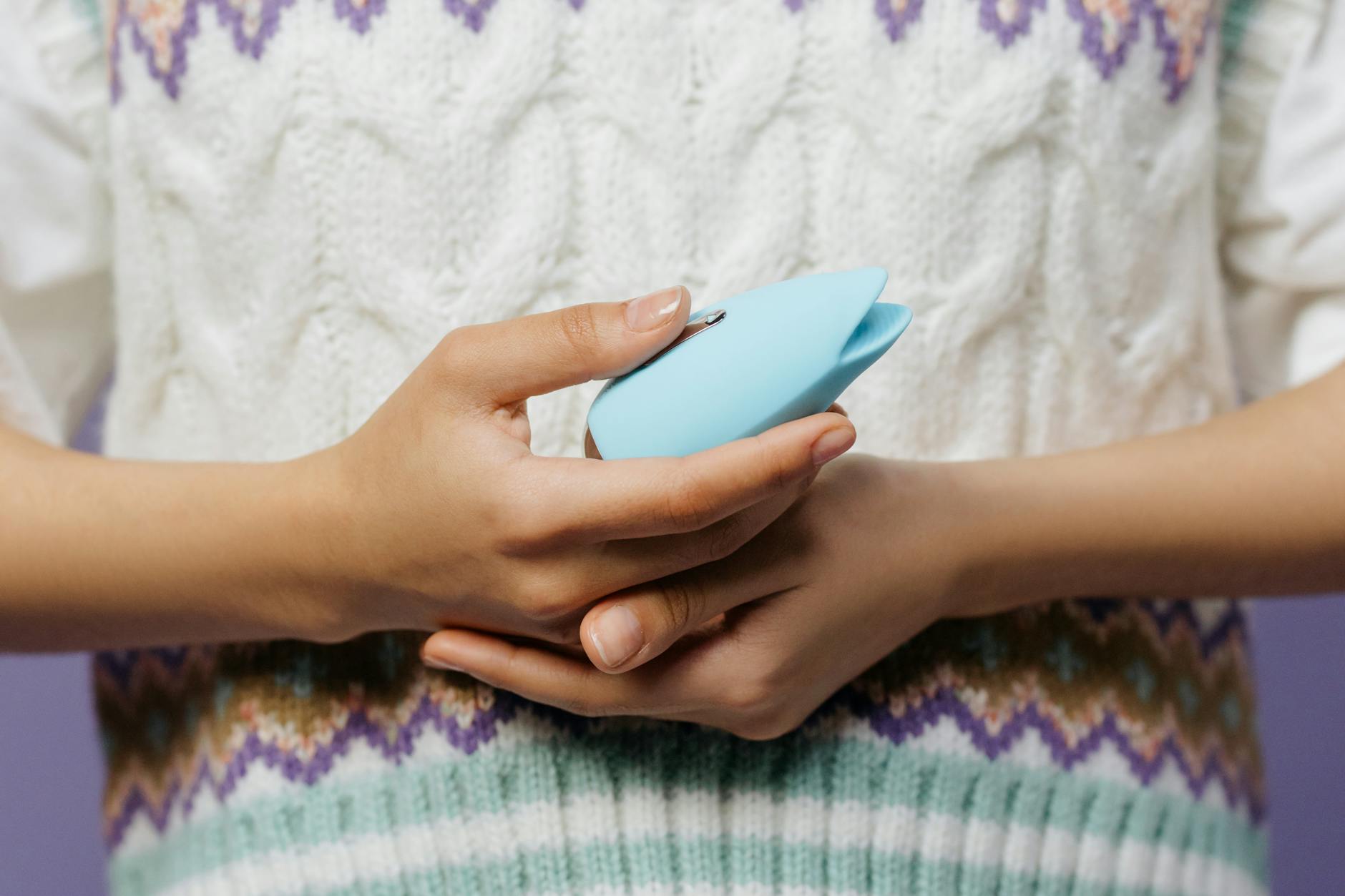
Let's be honest about mismatched recovery
One of you is cleared for sex. The other isn't. Or one person is healing faster than the other expected. Maybe surgery timelines didn't align, or trauma recovery moves on its own schedule. Either way, you're stuck in that awful space where desire, physical capacity, and emotional readiness don't match up. Add a partner into the equation, and you've got complexity that no standard advice addresses.
Here's what I see in my practice: couples in this position often assume they need to wait until both partners are "ready," which creates resentment, disconnection, and pressure that actually slows healing. The smarter move is to create space for individual pleasure without abandoning partnership.
That's where lemon vibrators come in. Not as a replacement for your partner, but as a bridge. A way for the person who's healing to maintain connection to their own body, and for both of you to stay intimate without rushing the slower healer.
Why mismatched timelines feel so isolating
Physical recovery has a clock: six weeks post-surgery, cleared for penetration, back to normal. But emotional recovery and sensation don't follow a schedule. One partner might feel physically ready but emotionally fragile. The other might feel emotionally solid but physically restricted.
Add sex into that mix and you hit three problems at once. First, the faster healer feels guilty for wanting sex while their partner can't have it. Second, the slower healer feels broken or resentful for holding the other person back. Third, both of you start avoiding touch altogether because it feels like a minefield.
That avoidance is actually the thing that damages connection most. Not the mismatched timelines themselves. When couples stop touching, stop talking about pleasure, stop being intimate in any form, the gap between them becomes a chasm.
How lemon clitoral vibrators solve this differently
A lemon vibrator like the Lem gives the person who's ready a way to stay connected to sensation and pleasure without pressure to include their partner. That sounds selfish until you realize what it actually does. It keeps the slower healer from feeling guilty. It gives the faster healer permission to feel good without shame.
But here's the thing that changes everything. Using a lemon sucker together, even if one person is only watching or using it on themselves, keeps you in the same room. You're still intimate. You're still present. You're not white-knuckling through abstinence.
I recommend this with couples constantly because it works. The person using the vibrator gets to experience pleasure on their own terms. The person watching (or assisting, or just being near) stays connected to their partner's body and pleasure without being demanded to perform or receive anything.
The practical setup that actually works
Start by having an honest conversation outside the bedroom. Not "Can we have sex soon?" but "What does pleasure look like for each of us right now?" The faster healer might say: "I want to feel like we're still intimate." The slower healer might say: "I want to watch you feel good without pressure to reciprocate."
Once you've named what you each need, set boundaries. Be specific. "I can be in the room while you use a lemon vibrator" is concrete. "We'll figure out what feels okay as we go" is vague and creates pressure.
When you're actually together, start with touch that feels safe for both of you. If penetration is off the table, that doesn't mean all touch is. Kissing, hands, bodies close. Then, the person who's recovered enough uses the lemon vibrator. The other person can watch, touch them (if that feels good), talk to them, or just be present.
The key is consent and communication in real time. "Does it feel okay if I touch your shoulder while you do this?" "Do you want me to tell you how good you look right now?" Not romantic script. Just checking in.
When the slower healer needs their own pleasure
Honestly though? The slower healer still deserves sensation. If one partner is recovering from surgery, they're not broken. They just have different timelines for different activities.
I had a couple recently where the partner recovering from pelvic surgery was cleared for clitoral stimulation but not penetration. Using a lemon vibrator on low settings let them experience pleasure while their partner watched and participated in a way that felt good for both. It felt like intimacy again. Not like waiting for permission to feel good.
So don't assume the slower healer has to wait for everything. Understand what's actually restricted (penetration, certain positions, depth, friction). Then work with those limitations. A lemon clitoral vibrator can often work within those restrictions in ways that partnered sex can't.
You might also find that using a lemon vibrator when direct clitoral touch feels too intense applies here too, especially if surgery or trauma has made sensation hypersensitive.
Managing the guilt and resentment
One partner will feel guilty. Maybe both. The person who's healing fast feels bad for wanting sex. The person healing slower feels bad for "stopping" their partner's pleasure. Both of these thoughts are sabotage.
Here's what I tell couples: pleasure is not a shared resource that's running out. One person feeling good doesn't take anything away from the other person. Your partner enjoying a lemon vibrator isn't a reflection on you or your worth.
Actually, watching your partner feel good is one of the most intimate things you can do. It's not a consolation prize while you wait. It's connection. It's vulnerability. It's them saying "My pleasure matters, and I want you to see me feel it."
The guilt will try to convince you that you're being selfish. You're not. The resentment will try to convince you that your partner is leaving you behind. They're not. Both of those feelings are about your own fear of disconnection, and they're worth naming directly.
The conversation after, and what it means
Use what you've just done as material for deeper talks. "I loved watching you feel good." "It felt good to let you see that I still want this." "I felt safer being intimate like that." These aren't sexual negotiations. They're relationship data.
If you're healing from surgery, you're learning what your body can and can't do right now. If you're healing from trauma, you're learning what touch feels safe. Lemon vibrators give you that information without the pressure of pleasing someone else simultaneously.
Many couples find that using a lemon vibrator together during recovery actually deepens their connection compared to their pre-recovery sex life. Not because the vibrator is magic. Because you're communicating better. You're being more intentional. You're separating pleasure from performance.
That's the thing about mismatched timelines. They force you to stop doing sex on autopilot. And that, weirdly, is a gift.
When you're both cleared but still out of sync
Sometimes the slower healer gets the green light but still doesn't feel ready. Or the faster healer has moved through recovery but the slower healer needs more time just for emotional safety.
This is normal. Medical clearance and emotional readiness are completely different things. Keep using the lemon vibrator approach even after the physical restrictions lift. It's not a workaround anymore. It's just a tool that works for your particular dynamic.
You might also want to explore how to use lemon vibrators when you feel disconnected from sensation after relationship stress, since recovery often brings emotional complexity that affects how touch feels.
The longer timeline: rebuilding trust in bodies
If one partner went through pelvic surgery or significant health trauma, their body might feel foreign to them for a while. They might not trust it. They might not want to be touched. That takes time to heal.
Using a lemon vibrator solo first lets them reconnect to sensation on their own terms, at their own pace. Then, bringing the partner back in happens gradually. First watching. Then touching. Then maybe fuller partnership again.
There's no timeline that works for everyone. But the couples I see who use this approach, who stay curious about each other's bodies and timelines instead of fighting them, actually come out the other side with better intimacy than they had before.
FAQ: Mismatched Recovery and Pleasure
Why do mismatched recovery timelines damage relationships so quickly?
Because most couples assume they need to stop all intimacy until both partners are fully recovered. That creates a dead zone where nobody's needs are being met, and resentment builds. The faster healer feels guilty. The slower healer feels broken. You both start avoiding each other. Couples who stay intimate in modified ways, using tools like lemon vibrators, actually maintain connection and keep that spiral from happening.
Is it weird to use a vibrator while my partner watches during recovery?
No. In fact, it's one of the healthiest things you can do during this period. It keeps you in the room together. It lets the watching partner stay engaged and interested in your pleasure. And it gives the person using the lemon vibrator permission to feel good without guilt. Most couples find it actually feels more intimate than waiting.
What if my partner is jealous or threatened by the vibrator?
That's a real conversation, not something to bypass. Often what's underneath is "Am I still enough for you?" or "Are you leaving me behind?" Those are legitimate fears during recovery when everything already feels fragile. Naming them explicitly helps. A lemon vibrator isn't replacing your partner. It's a tool you're using together while your bodies heal.
How long should we wait before trying partnered sex again?
That depends entirely on what's been restricted (surgery, trauma, illness). Follow medical guidance for physical restrictions. But emotional readiness often takes longer. Don't rush it because you think you "should" be ready by now. Keep using a lemon vibrator or other solo tools while your nervous system catches up to the timeline.
Can we use a lemon vibrator together if we're both still restricted?
Absolutely. If penetration is off the table for both of you, you can still use a lemon clitoral vibrator together, take turns, or just be close while one person experiences pleasure. The vibrator becomes a bridge even when full partnered sex isn't possible yet. It's intimacy without pressure.
What if one of us still doesn't feel ready when the doctor says we can have sex?
Then you're not ready. Medical clearance and emotional readiness are different. Keep using the tools and approaches that work for you now. Many people need an extra six weeks, three months, or longer after the physical okay is given. That's not failing recovery. That's honoring what your body and nervous system actually need.
The thing about healing together
Mismatched recovery timelines feel like a problem you need to solve. But they're actually an invitation to build intimacy differently. The couples I see who get through this well aren't the ones who white-knuckle through abstinence or rush back to partnered sex. They're the ones who stay curious, keep touching (in ways that feel safe), and use tools like lemon vibrators to bridge the gap.
Your pleasure matters. Their pleasure matters. And you can have both, even when your bodies are on different timelines. You just need to get creative about what intimacy looks like right now. That's not a compromise. That's actually more connected than most couples ever get.