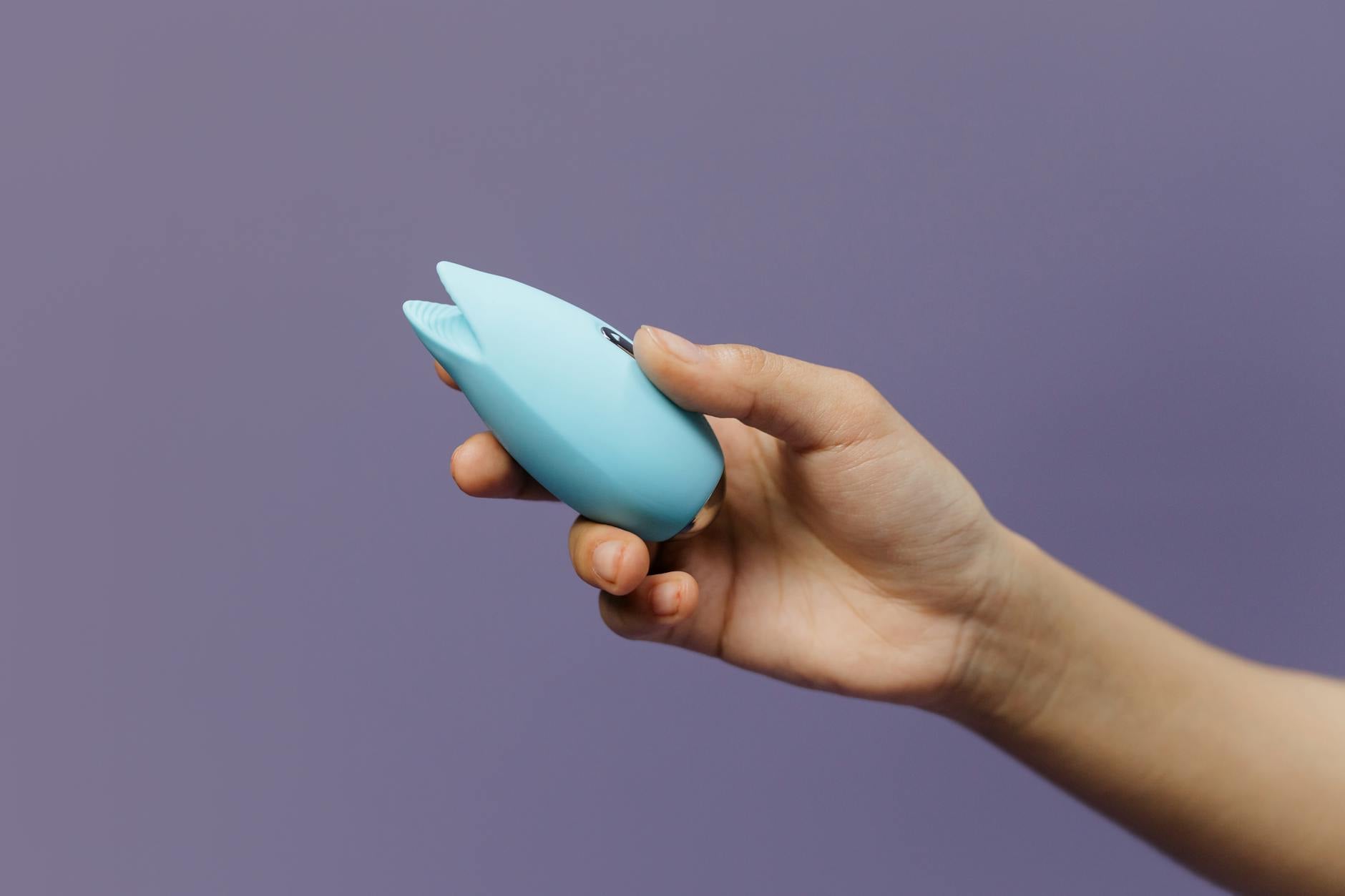
Let's name what's actually happening
Arousal used to be fast. Now it isn't. That's not laziness, not losing interest, not a sign that your body is failing. It's a shift in baseline physiology that most people experience somewhere between their late 30s and their 50s, and almost no one talks about directly.
Here's what changes: the initial spark takes longer to ignite. Your nervous system needs more time to transition from daily stress into a receptive state. Blood flow to your clitoris builds more gradually. The sensation chain that used to fire in minutes now takes 15 to 30 minutes to fully activate.
The good news? Slower arousal often leads to deeper, more integrated orgasms. The better news? Lemon clitoral vibrators are designed to work with a slower buildup, not force you through it.
Why arousal slowdown happens (and why it's not your fault)
Three physiological drivers are at play. First, cortisol and stress hormones accumulate differently as you age. Your nervous system needs a longer decompression period to shift from sympathetic (fight-or-flight) into parasympathetic (rest-and-digest). That's not a personal failing. That's your body prioritizing safety.
Second, nitric oxide production (the chemical that triggers initial arousal) declines with age and stress. This doesn't mean arousal stops. It means the ramp gets gentler.
Third, blood flow patterns change. Pelvic blood flow becomes more sensitive to psychological state. If your mind is still running through a to-do list, your body won't follow.
The irony: people who understand this slowdown often report more satisfying sex than they did in their 20s. Paradoxically, the pressure is off. You're not chasing an orgasm that won't come in five minutes anyway.
How slow arousal actually works better with lemon vibrators
Lemon clitoral vibrators, particularly the air-suction and pulsing designs, excel at extended sessions because they don't numb. Traditional vibrators often deliver high-frequency buzz that feels intense for 20 minutes, then fades as your nerve endings adapt. Lemon designs use suction and pulsing rhythms that stay effective throughout a longer buildup.
The mechanism matters here. Suction stimulates nerves without direct friction, which means you can sustain sensation for 30 to 45 minutes without numbness creeping in. For someone with a slower arousal curve, this is essential.
Start with a low suction level (often marked as patterns 1 to 3 on a typical lemon vibrator). Let your body settle into the sensation for a full 10 to 15 minutes before increasing intensity. This isn't patience. This is strategy. Your nervous system will interpret this as safety, which paradoxically speeds up the transition into arousal.
The mental shift that actually matters
Here's where most people stumble: they treat slow arousal as a problem to solve, rather than a different rhythm to honor. They speed themselves up by worrying they're taking too long. That anxiety keeps the nervous system in sympathetic mode, which makes arousal even slower.
Instead, reframe extended arousal as foreplay that counts. Twenty minutes of sensation building isn't wasted time. It's the foundation. When you stop fighting the slowness, it accelerates naturally.
One practical move: set a timer for 20 minutes and commit to no goal during that window. Not orgasm, not getting "ready," not anything. Just sensation. Use your lemon clitoral vibrator at a comfortable, sustainable intensity while you breathe, notice what feels good, and let your mind settle. After 20 minutes, reassess. Most people find the shift has happened.
Photo by Vanessa Loring on Pexels
Partnered strategies for mismatched arousal timing
If you're with a partner and their arousal curve is faster than yours, lemon adult toys become a bridge rather than a barrier. Here's why: lemon clitoral vibrators let you meet yourself where you are without pressure to rush.
One working model: partner engages in their own foreplay (or begins with you at their pace) while you use your lemon vibrator on yourself at the rhythm that works for your body. This isn't separate. It's parallel. You're in the same bed, same experience, different timelines. After 15 to 20 minutes of that, you'll often find your arousal has caught up, and you can move into partnered activity from a place of genuine readiness instead of obligation.
Another approach: ask your partner to stay present without performing. Touch you elsewhere. Breathe with you. Talk. Use your lemon clitoral vibrator while they're involved but not running the show. This keeps the connection alive while honoring your body's real timeline.
The conversation to have beforehand: "My arousal is slower now, and I've realized that's not wrong, it's just different. I want us to explore that together instead of me trying to speed up." That honesty opens a door that rushing closes.
When to use sensation building between sessions
Consider this: if arousal is slow during partnered sex, it might be because your nervous system has learned to expect rushing. One way to rewire that is solo practice with your lemon vibrator on a weekly basis, specifically dedicated to long buildup.
Solo sessions let you practice the 20 to 30 minute arc without any pressure or audience. Your nervous system learns that buildup is normal and safe. That learning transfers. The next time you're with a partner, the shift often happens faster because your body recognizes the pattern.
Use lower intensity settings during these practice sessions. Think of it as training your arousal system to trust the slowness. Ironically, this often leads to faster arousal in partnered contexts because you're no longer bracing against the timeline.
The role of breathing and presence
Arousal slowdown is partly physiological and partly neurological. Your clitoris needs more time, yes. But your attention needs to be in the room too.
When using a lemon clitoral vibrator during an extended buildup, anchor your breath. Inhale for four counts, exhale for four. This isn't spiritual. It's mechanical. Deep breathing directly activates the parasympathetic nervous system, which is the system responsible for arousal. You're literally using your breath to unlock your body's response.
Pair this with your vibrator. As you breathe, notice the sensations in the foreground rather than your anxious thoughts in the background. This kind of attention acts as an accelerant. Most people find that 10 minutes of intentional breathing plus vibration moves more arousal than 20 minutes of distracted use.
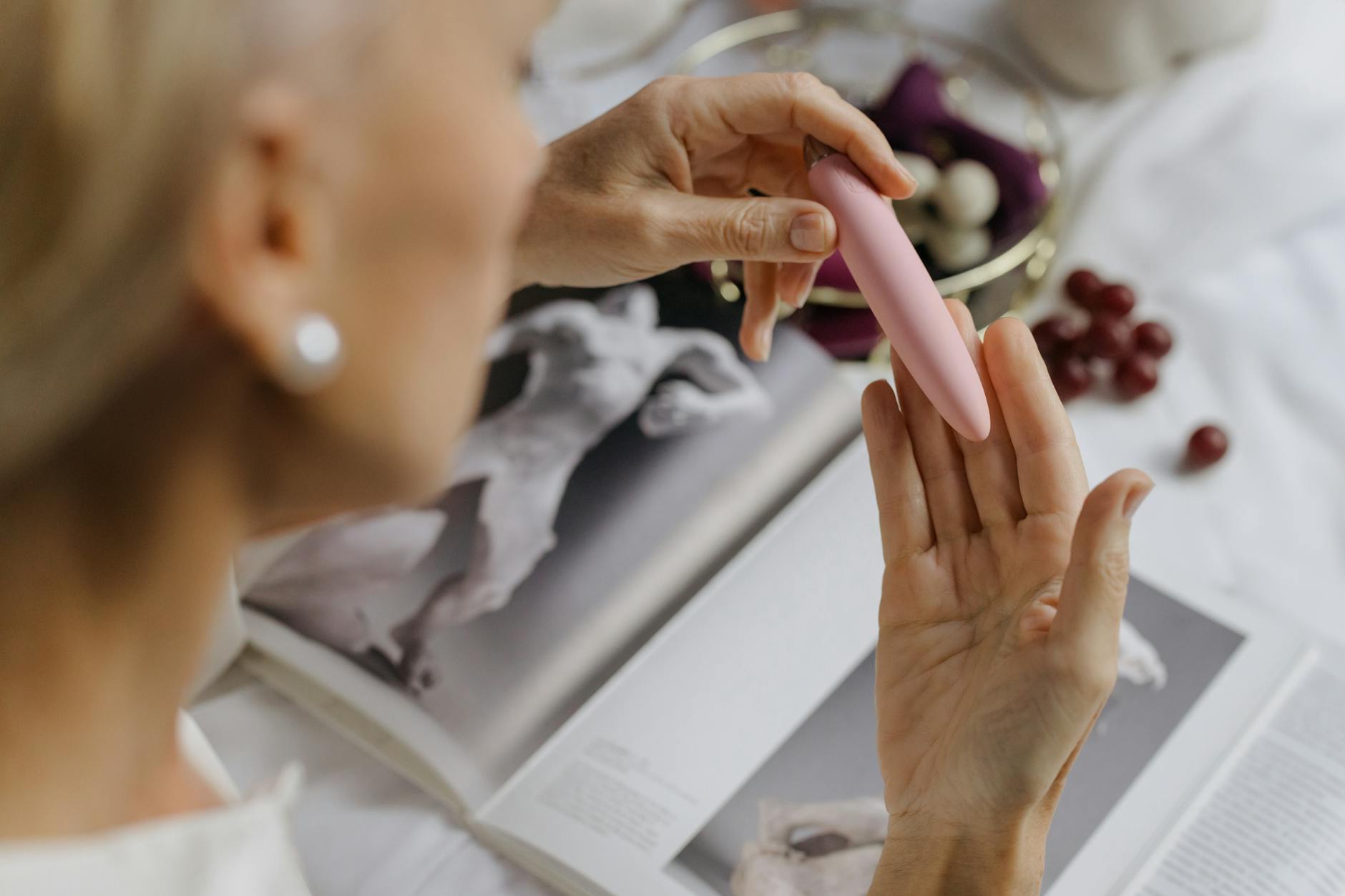
Photo by cottonbro studio on Pexels
Practical timeline expectations with lemon vibrators
Here's what most people experience once they stop fighting slow arousal. Initial awareness: 5 to 10 minutes with your lemon clitoral vibrator at low to medium intensity. Light sensation, no pressure. Building phase: 10 to 15 minutes. Intensity can increase gradually. This is where breathing and presence matter most. Peak readiness: 5 to 10 minutes. Orgasm may come, or you may simply feel ready for partnered activity. Total session: 20 to 35 minutes, depending on the day and your state of mind.
That's not excessive. That's realistic. And honestly? Most people find that once they allow it, this timeline feels good. There's no rushing. The pleasure compound. The arrival feels earned.
When slow arousal signals something else
Sometimes slow arousal is just slow arousal. Sometimes it's pointing to something deeper. If arousal is completely absent even after 30 minutes of dedicated use and attention, or if it's accompanied by pain or numbness that doesn't shift, consider whether stress, relationship tension, or medication might be at play.
When in doubt, a conversation with your GP or a therapist trained in sex and relationships is worth it. Slow arousal alone isn't a diagnosis. Complete absence, especially if it's new, sometimes is. The difference matters.
Frequently asked questions
Why does arousal take longer after my mid-40s?
Three main factors: cortisol and stress hormones shift how quickly your nervous system can downshift into arousal mode. Nitric oxide production declines, which slows the initial spark. And blood flow to your genitals becomes more dependent on psychological state, meaning stress or distraction keeps you stuck in neutral. None of these are permanent or unfixable. They're just different parameters your body is operating within now.
Can lemon clitoral vibrators speed up arousal if it's genuinely slow?
Not directly. Vibrators don't bypass physiology. What they do is make extended buildup feel good instead of frustrating. A lemon vibrator lets you spend 20 or 30 minutes engaged with sensation without numbing or fatigue. That sustained, pleasurable input often actually accelerates arousal because you're removing the anxiety about "taking too long."
Is it normal for arousal to be much faster with a partner than solo?
Yes, very. Solo arousal and partnered arousal engage different nervous system pathways. Many people find that solo buildup is slower, while partnered arousal can still happen relatively quickly because external stimulation and presence create different neurological conditions. This isn't a sign you need a partner to function. It's just a reminder that context matters.
How do I talk to my partner about needing more time without it feeling like rejection?
Lead with desire, not delay. Instead of "I'm not ready yet," try "I want to make this really good, and I know my body needs more time to build than it used to. I'm excited about that. Want to come along?" Reframe slow as intentional rather than reluctant. Most partners are relieved. It removes the guessing game about whether you're genuinely interested.
Does slow arousal mean I won't be able to orgasm quickly even when I want to?
Not necessarily. Once your nervous system learns that buildup is safe and acceptable, it often starts to recognize shortcuts. Solo practice with your lemon vibrator helps train this. Some people find that after a few weeks of honoring their natural pace, quick arousal becomes possible again in certain contexts. Your body is adaptive. You're just retraining it.
What if my partner gets bored during a long buildup?
That's a conversation, not a you-problem. If a partner can't engage in 20 to 30 minutes of foreplay together, that's about their own attention and presence, not your arousal speed. A partner worth staying with will learn to find pleasure in the journey, not just the endpoint. If they can't, that tension might point to something bigger than arousal timing.
The bottom line
Slow arousal isn't a failure. It's a recalibration. When you stop treating it as a problem and start treating it as the rhythm you're working with now, everything shifts. A lemon clitoral vibrator becomes not a speed hack but a partner in that slower, deeper experience. Your nervous system relaxes. Arousal accelerates paradoxically by ceasing to chase it.
Your pleasure timeline is your own. Make it yours.
If you'd like to explore how to build arousal rituals that fit your pace, we're here to help. Reach out and let's talk about what would work best for you.