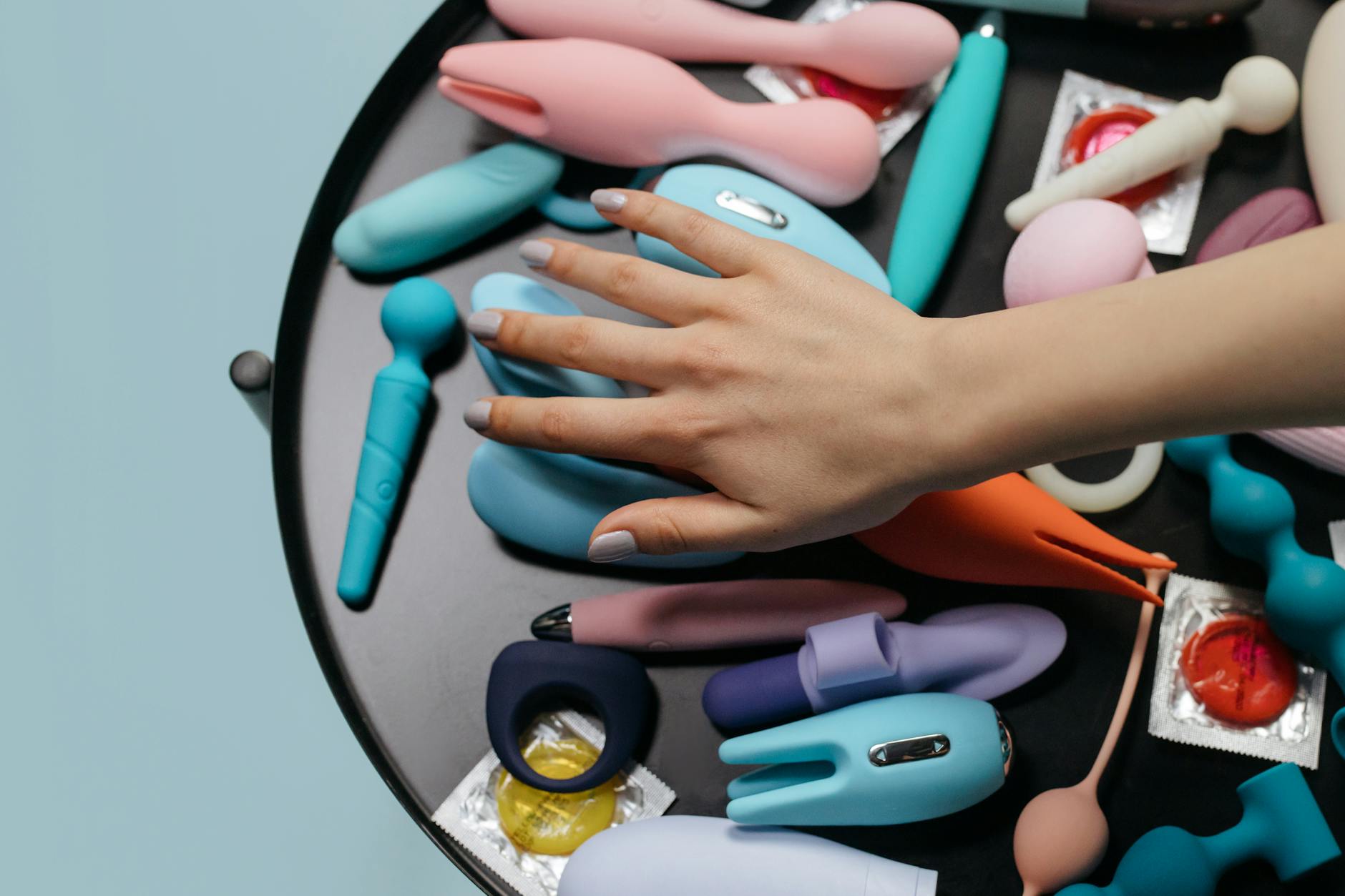
When your partner sees your vibrator as competition
Let's be real. You bring home a lemon clitoral vibrator and your partner's first reaction is something between "What's wrong with me?" and "Are you not attracted to me anymore?" It stings because it sounds like rejection of them. What they're actually reacting to is fear. Fear that they're not enough. That your pleasure has become a threat instead of something they want for you.
This is one of the most common relationship friction points I see in my practice. And it's fixable. Not by hiding the vibrator or pretending you don't want it. By having a conversation that's actually about connection instead of performance.
The anatomy of the misunderstanding
Here's what's happening on both sides. Your partner learned, probably decades ago, that their job in sex is to make you come. That's their measure of success. A vibrator shows up and suddenly they feel like they've failed that job. The logic feels airtight to them. If you needed a vibrator, they weren't doing it right.
Meanwhile, you know something totally different. You know that clitoral stimulation works differently than penis-in-vagina stimulation. You know that the angle, speed, and pressure that work for you might not be something a hand or body can replicate consistently. You know that vibration intensity is just... different. It's not better or worse. It's a different tool. Using a lemon clitoral vibrator doesn't mean your partner isn't enough. It means your body has preferences.
The gap between these two understandings is where the conflict lives.
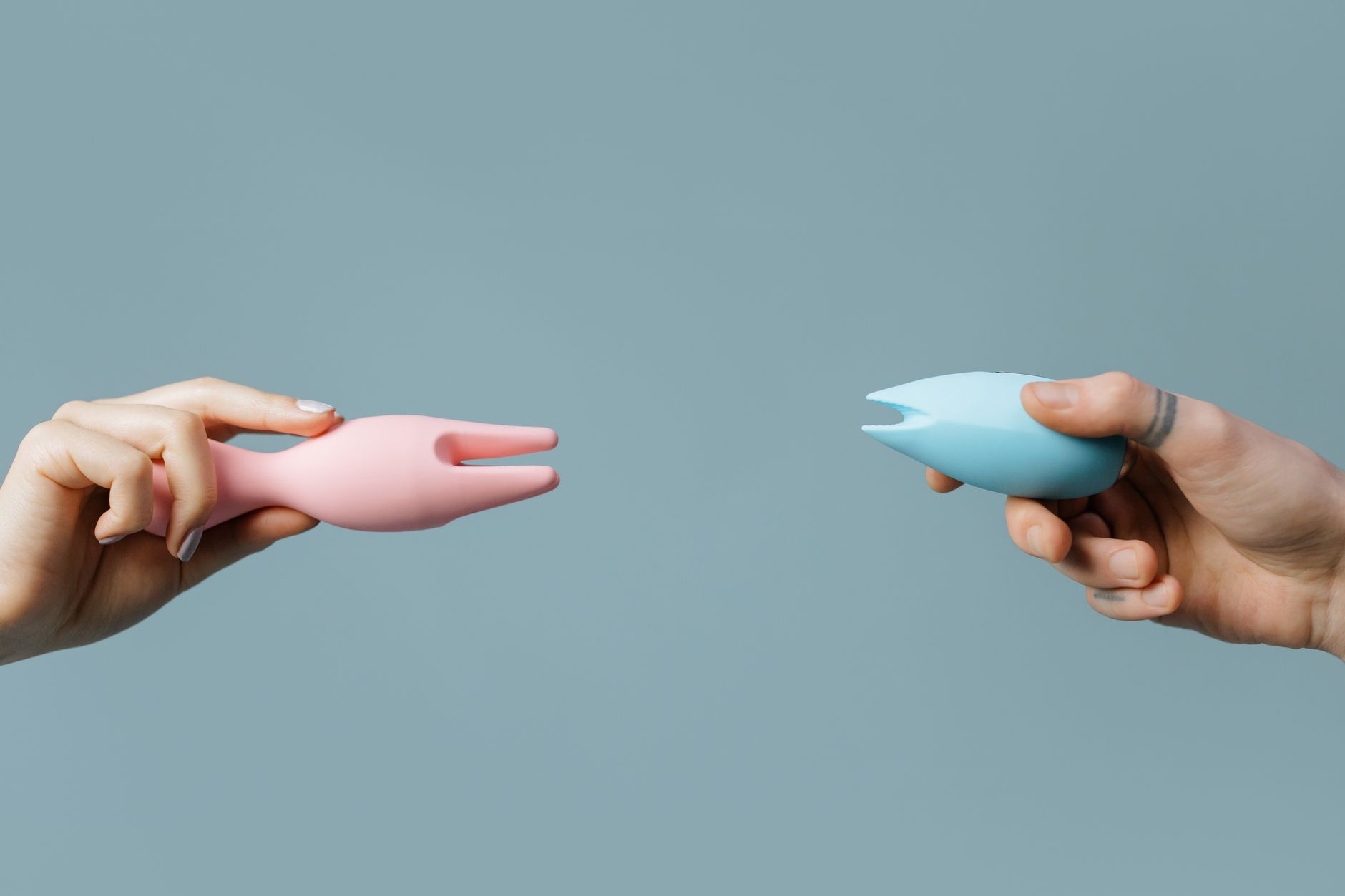
Photo by cottonbro studio on Pexels
How to frame the conversation without triggering defensiveness
Timing matters. Don't introduce this mid-sex or when your partner is already vulnerable. Pick a quiet moment, not in the bedroom, when you're both calm and there's no sexual pressure in the air.
Start with what's true about them. Not in a patronizing way. But: "I love sex with you. I'm attracted to you. That's not changing." Say it and let it sit. Then move to the body science. "Here's what I'm learning about how my body works." Frame it as discovery, not complaint. "My clitoris responds really well to a specific kind of pressure and rhythm. It's not that you can't do it. It's that I want to show you what feels best for me, and I want to explore that."
Then introduce the vibrator as a tool for both of you. Not a replacement. A map. "I want to use this lemon clitoral vibrator so you can see what intensity and pattern makes me come. And then you know what to aim for." This flips the narrative from "You're not enough" to "Let me show you exactly what I need."
When they still resist
Some partners come around immediately. Some take time. Some dig in harder and say things like "Real sex doesn't need toys" or "That's cheating" or "You're becoming obsessed."
When that happens, the impulse is often to back down and hide the vibrator. Don't. Instead, get curious about what's really underneath the resistance. Is it about feeling inadequate? About control? About his own insecurities around sexuality? Is he worried this means your relationship is in trouble? Those are different problems that need different conversations.
If your partner is unwilling to hear you out after a genuine attempt to explain, that's not about the vibrator anymore. That's about whether he's willing to prioritize your pleasure and your autonomy. That might require a conversation with a couples therapist.
How to use a lemon clitoral vibrator when your partner is watching (or trying to)
Once they've agreed to let you bring it into your intimate life, the execution matters. If you go straight to intense suction patterns while they're watching, it can read as defensive or like you're shutting them out. That reinforces the "you're not enough" feeling.
Instead, invite them in. Use the vibrator solo first, in front of them. Guide their hand to where you want touch. Show them what pattern you're on. Let them see your body's response. Some partners find this incredibly hot. Others find it educational. Either way, you're not replacing them. You're including them in your pleasure.
Then, when you're ready, they can hold the vibrator while you guide the pressure and angle. This is often the sweet spot. They're still engaged, they're still touching you, they're just using the lem vibrator as an extension of their hand instead of fighting it.
Building from "I don't get it" to "I want this for you"
The shift from resistance to understanding usually happens in stages. First is acceptance. "Okay, you can have it." Then comes curiosity. "How does it work?" Then comes participation. "Can I hold it?" Then, if you're lucky, comes genuine enthusiasm. "I love watching you come with this."
Your job in those stages is to stay patient without being a people-pleaser. You can be compassionate about his feelings and still use your lemon clitoral vibrator. You can validate his insecurity ("I hear that you feel worried") without accepting the premise ("But my pleasure matters more than that worry").
Most partners who've initially resisted vibrators end up being their strongest advocates once they see how good it is for the relationship. Sex gets better. You're more relaxed. You come more reliably. The whole dynamic shifts because the pressure to perform a certain way lifts.
When to bring a therapist into the conversation
If after a genuine, patient conversation he's still making you feel ashamed for wanting a vibrator, or if he's using it as leverage ("If you use that, I won't touch you"), that's beyond normal resistance. That's control. A couples therapist, ideally one trained in sex-positive work, can help you both hear each other.
The goal isn't to convince him that vibrators are objectively good. The goal is for him to understand that your body, your pleasure, and your autonomy matter more than his ego. If he can't get there, that's a relationship problem that goes way beyond what a lemon clitoral vibrator can fix.
The conversation you're really having
When your partner resists your vibrator, he's not actually fighting the toy. He's fighting the reality that you're a separate person with needs he can't meet alone. That you deserve pleasure on your own terms. That your sexuality exists outside of what he provides.
Accepting that you deserve a vibrator means accepting that you're not entirely dependent on him for sexual satisfaction. Some partners find that liberating. Others find it threatening.
Your job is to stay clear about what you need and let him decide if he can support that. Using your lemon sucker, exploring your pleasure, prioritizing your own sensations.these aren't negotiable parts of your wellbeing. Whether he understands it or gets excited about it is nice. But it's not a prerequisite for you having access to tools that help you feel good.
Moving forward
Start small. Start with the conversation. Be honest about why you want a clitoral vibrator. Listen to his fears without absorbing them as truth. Then use your lemon clitoral vibrator confidently, knowing that your pleasure is valid whether he gets it today or gets it in six months.
The partners who become advocates for vibrators usually do so because they see how it transforms the relationship. Better sex. More connection. Less performance anxiety on both sides. Once he realizes that your orgasm is actually something he can be part of creating, instead of something he's failing to do alone, the dynamic changes completely.
Your pleasure matters. And that's not selfish. That's honoring yourself.
People also ask
How do I explain to my partner why I need a vibrator if they think it means they're not enough?
Start with reassurance, then move to education. "I love sex with you. I'm attracted to you. That's not changing." Then explain the anatomy: your clitoris responds to specific pressure and rhythm patterns. A vibrator lets you explore that preference. It's not about replacing him. It's about knowing yourself better, which actually makes sex better for both of you. Frame it as discovery together, not as criticism of what he's been doing.
Can I use a lemon clitoral vibrator with my partner if they're initially uncomfortable?
Yes, but approach it step by step. Start by using it solo in front of them so they can see your body's response and understand how it works. Then invite them to hold it while you guide the angle and pressure. This keeps them engaged and involved instead of making them feel replaced. Many partners move from resistance to enthusiasm once they see how good it is for the relationship and for your pleasure.
What if my partner says vibrators are "cheating" or not "real" sex?
That's usually code for a deeper fear, often around control or masculinity. Respond with curiosity rather than defensiveness: "I'm curious what that means to you. What makes sex feel real to you?" Then be clear about your boundary: "My pleasure and my autonomy matter to me. I'm going to use tools that help me feel good." If he continues to shame you or use it as leverage, consider a couples therapist. This isn't actually about the vibrator anymore.
How do I use a lemon clitoral vibrator during partnered sex if my partner is hesitant about it?
Invite participation instead of going solo with it. Ask him to hold it, guide his hand on the angle and pressure you want, show him what patterns work for you. This turns it into a collaborative experience rather than something that excludes him. Many partners find this incredibly intimate once they understand that you're trusting them to be part of your pleasure.
Should I hide my vibrator if my partner doesn't approve?
No. Your pleasure and your autonomy aren't things you need permission for. That said, hiding it usually signals shame, which can reinforce your partner's idea that vibrators are something to be embarrassed about. Instead, be open and matter-of-fact about it. Use it confidently. Invite him to understand it. If he refuses to accept your right to pleasure, that's a relationship issue bigger than any sex toy.
What if my partner wants to use a vibrator on me but I feel self-conscious?
Take time to get comfortable with your own body first. Try a lemon clitoral vibrator solo, learn what feels good, and get familiar with the sensations. Then when your partner holds it, you'll know what you're aiming for and can guide them. Start with lower intensity settings. Remember that his desire to be part of your pleasure is actually a sign he cares. Self-consciousness usually fades once you realize that pleasure isn't a performance.